sleep
Low Winter Mood and Sleep: The Role of Light and What May Really Help
What winter low mood (SAD) is, how shorter daylight can affect sleep and energy, and an honest look at light therapy and the sleep habits that help in winter.
On this page
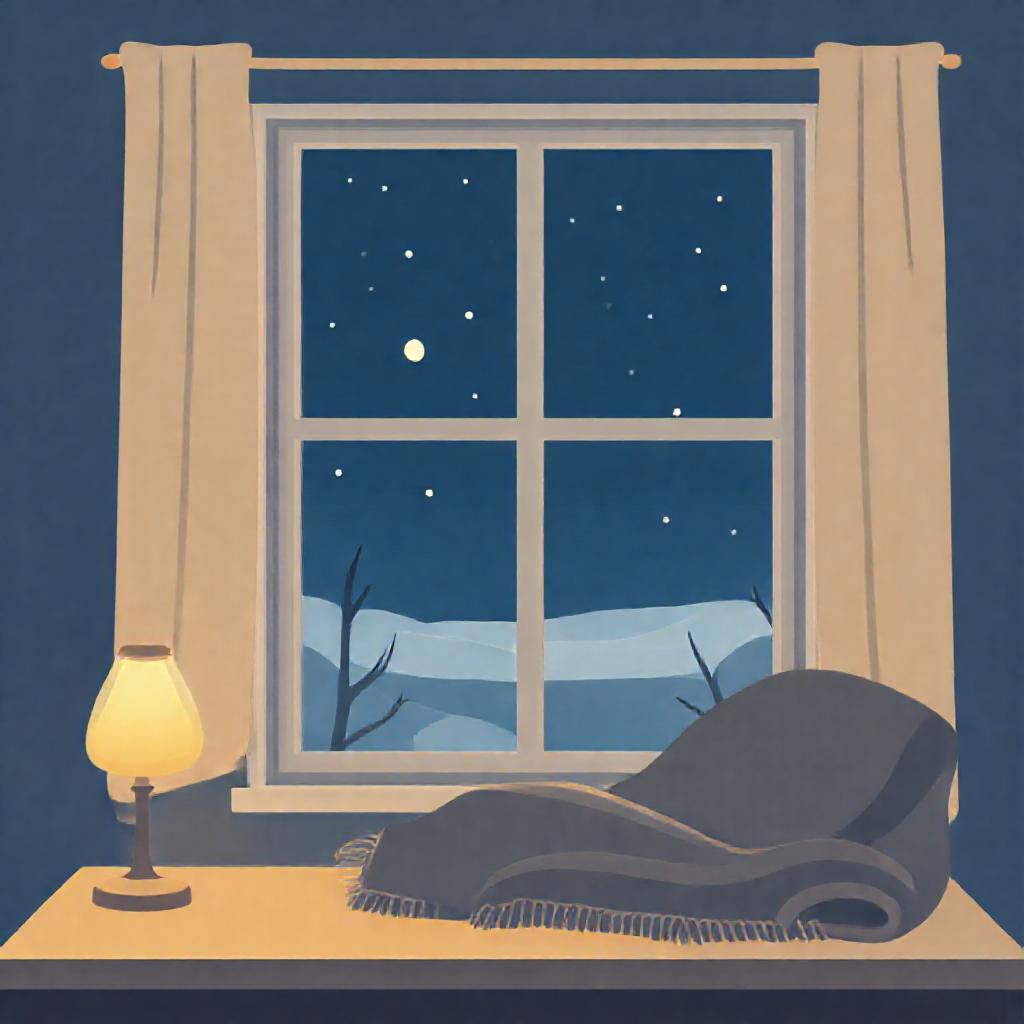
There’s something about the short, grey days of a British winter that can make you feel flat, heavy and hard to wake from. You’re not imagining it, and you’re certainly not alone. For many people this is a passing phase; for others it’s a pattern that returns every winter and fits a recognised condition. This guide looks at what the NHS says about winter low mood (seasonal affective disorder, or SAD), how shorter daylight can affect your sleep and energy, and - honestly - what the evidence really says about the things that might help.
Important: This is general information, not medical advice. If you think you might have seasonal affective disorder, or your low mood is affecting your daily life, please see your GP.
What winter low mood (SAD) actually is
According to the NHS, seasonal affective disorder is a type of depression that usually happens in the winter. Its main symptom is depression that comes on in winter and lifts in the summer, although a smaller number of people experience symptoms in summer instead.
The NHS lists common symptoms: a low mood, losing interest in things you usually enjoy, feeling guilty, hopeless or worthless, feeling restless or irritable, difficulty concentrating, eating more than usual, and - very relevant to a sleep site - being more tired and sleeping more than usual. Some people also get a burst of extra energy at the start of spring or summer.
If plain winter tiredness is a spectrum, SAD sits at the more disruptive end. The NHS advises seeing a GP if you think you might have it, and notes that a diagnosis is often made when depression symptoms have appeared at the same time of year for two years or longer.
Why shorter daylight affects sleep and energy
The exact cause of SAD isn’t fully understood, but the NHS says it’s thought to be linked to reduced levels of daylight in winter. That reduced light might cause changes to brain chemicals such as melatonin and serotonin - chemicals that affect both your mood and your sleeping patterns (your circadian rhythm, or body clock).
Light is one of the strongest cues our bodies use to keep that internal clock in step with the day, according to the Sleep Foundation. When winter mornings stay dark, it can be harder for the body to know it’s time to wake up, which fits with the tired, “over-sleeping” feeling many describe. The welcome flip side is that this same connection means light, used carefully, can be a useful lever - though, as we’ll see, the evidence is more mixed than some headlines suggest.
Light therapy: an option, but with honest caveats
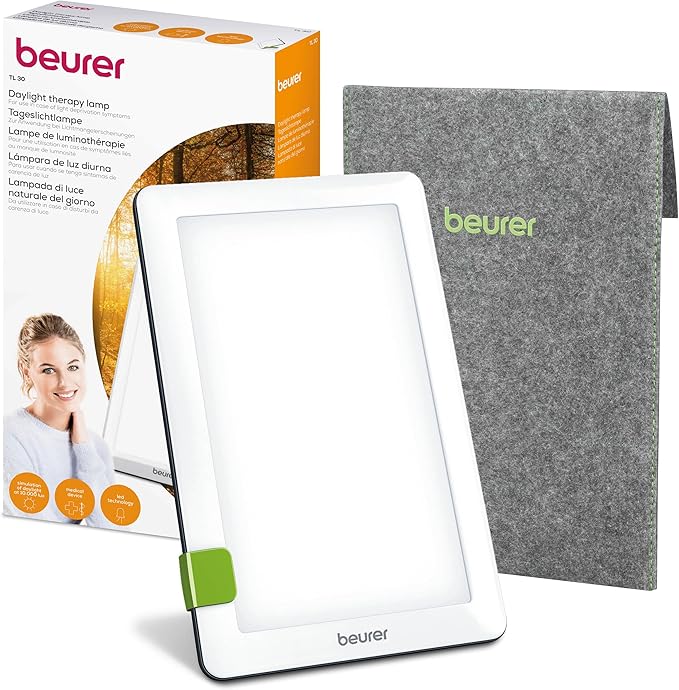
Light therapy usually means sitting in front of a bright light box - sometimes called a SAD lamp - to simulate daylight during winter. This is where it’s important to be straight with you: the NHS is clear that light therapy is not usually available on the NHS because there is not enough evidence to tell whether it’s effective. That’s a deliberate, honest statement, not a dismissal.
What the NHS does say is that many people find it helps their symptoms - personal experience shouldn’t be dismissed, even when the research picture is incomplete. The Sleep Foundation, a US organisation, frames light therapy as one of the recognised treatments for seasonal affective disorder and other circadian-linked issues, suggesting it can help reset the body clock when used consistently. But it’s important to weigh that against the NHS’s caution that the overall evidence is limited.
If you are considering trying a light box, the NHS advises you to speak to a GP first, because light therapy may not be suitable if you have certain eye conditions, or if you’re taking medicines that increase your sensitivity to light. If you do buy one, the NHS says look for a lamp that is bright enough (10,000 lux is the standard level), UV-free, and has a UKCA or CE mark, and follow the manufacturer’s instructions.
You’ll also sometimes see dawn-simulator or “wake-up light” devices described as a gentler alternative. The evidence on these specifically is even thinner, so I’d treat them the same way: fine to explore if you’re curious and it’s within your budget, but not something to pin your hopes on, and not a replacement for advice from your GP.
Sleep habits that genuinely help in winter
Where the evidence is on firmer ground - and where there’s no harm in trying - is the everyday sleep and lifestyle advice the NHS recommends to help manage SAD symptoms:
- Get as much natural daylight as you can - try to go outside in the daytime every day, even when it’s overcast. A midday walk can help both mood and the body clock.
- Get regular exercise - it doesn’t need to be dramatic; a brisk walk counts.
- Stay in contact with friends and family and keep up with your usual activities, even when your motivation is low - withdrawal tends to make winter low mood worse.
- Go to bed and wake up at the same time every day. A steady sleep-wake routine gives your body clock the consistency it’s missing when daylight is short.
The NHS also flags things to avoid: too much alcohol (or illegal drugs), and using electronic devices such as smartphones right before going to bed. Both can interfere with sleep and worsen low mood.
None of this is a cure, and it’s not the same as medical treatment. But it’s low-risk, within your control, and it’s exactly the kind of groundwork that makes other support more likely to help.
When to seek help
If your low mood is persistent, you’re sleeping far more than usual, you’ve stopped enjoying things, or you’re having any thoughts of self-harm or suicide, please don’t wait for it to pass on its own. The NHS advises seeing a GP if you think you may have SAD, or if you’ve been diagnosed and treatment isn’t helping. Charities such as Mind and Rethink Mental Illness also offer information and support.
The honest bottom line
Low winter mood is real, and it’s a recognised condition with well-documented symptoms - including sleeping more and having less energy. Shorter daylight almost certainly plays a role through its effect on our body clock and brain chemistry. Light therapy is commonly talked about and some people genuinely find it helps, but the NHS is candid that the evidence isn’t strong enough for it to be routinely available. So the most sensible first steps are inexpensive and well within your reach: get daylight when you can, keep moving, keep connected, and keep a steady sleep routine. And if it’s more than just the winter blues - talk to your GP.
Medical disclaimer: This article provides general information only and is not a substitute for professional medical advice. Always consult your GP or a qualified health professional about your individual circumstances.