white noise
White Noise Machines for Sleep: What the Evidence Actually Shows
A balanced look at white noise for sleep - the research is genuinely mixed. What the systematic reviews say, who it may help, and how to use it safely.
On this page
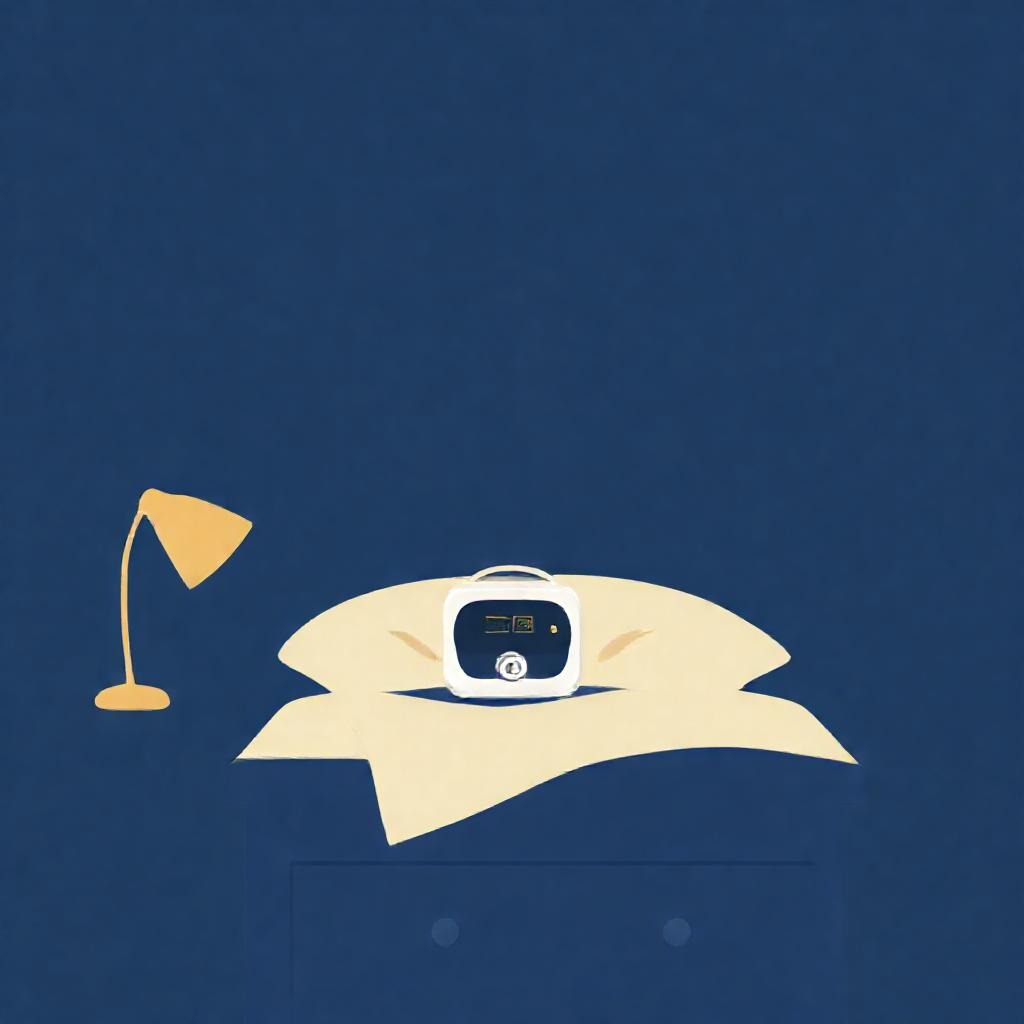
White noise machines are one of the most popular “natural” sleep aids on the market. They play a continuous, broadband sound (like static or a fan) meant to mask disruptive noises in the bedroom and help you sleep.
Here’s the honest part: the research on whether they genuinely work is genuinely mixed. This guide looks at what the scientific reviews actually conclude, who they may help, and how to use them safely and cheaply.
This is general information, not medical advice.
What white noise is supposed to do
White noise is a continuous sound containing many frequencies at equal intensity - which is why it sounds like a steady hiss. It works in two ways in theory:
- Masking - it covers up sudden, disruptive noises (traffic, a partner snoring, noise from neighbours) so they don’t wake you.
- A consistent background - a steady sound can be calming and help you fall asleep.
What the systematic reviews actually found
This is where it gets honest. The evidence is not one-way.
The weaker evidence: A systematic review of continuous white noise and sleep (published 2020/2021) concluded that the evidence for effectiveness was very weak, and noted some studies even reported that white noise may cause further sleep disruption. This is the widely-cited finding that leads many experts to be cautious about white-noise claims.
Source: Riedy et al., “Noise as a sleep aid: A systematic review” (2020), PubMed 33007706; also cited in later reviews.
The more encouraging evidence: A more recent systematic review and meta-analysis (2025) stratified results by population and found that, among adult and older-adult patients, white noise significantly lowered sleep-quality scores (PSQI), indicating an improvement. This benefit was seen in both hospital and community settings.
So the accurate summary is: white noise may help some people (especially adults and older adults) improve sleep quality, but the overall evidence base is mixed and not every study supports it.
Source: “Impact of white noise on sleep quality across age groups…” (2025), PubMed 41151421.
Who it may help (and who it’s not proven for)
May help:
- People whose sleep is disrupted by sudden environmental noises (noisy neighbours, traffic, a snoring partner)
- Adults and older adults looking for a non-drug sleep aid
- People in noisy environments (this is why hospitals use it)
Not proven / use caution:
- As a treatment for insomnia itself - the underlying approach for insomnia is still sleep-habit changes and CBT, not masking sound
- For everyone - some people actually find white noise disruptive or irritating
How to use it sensibly (and cheaply)
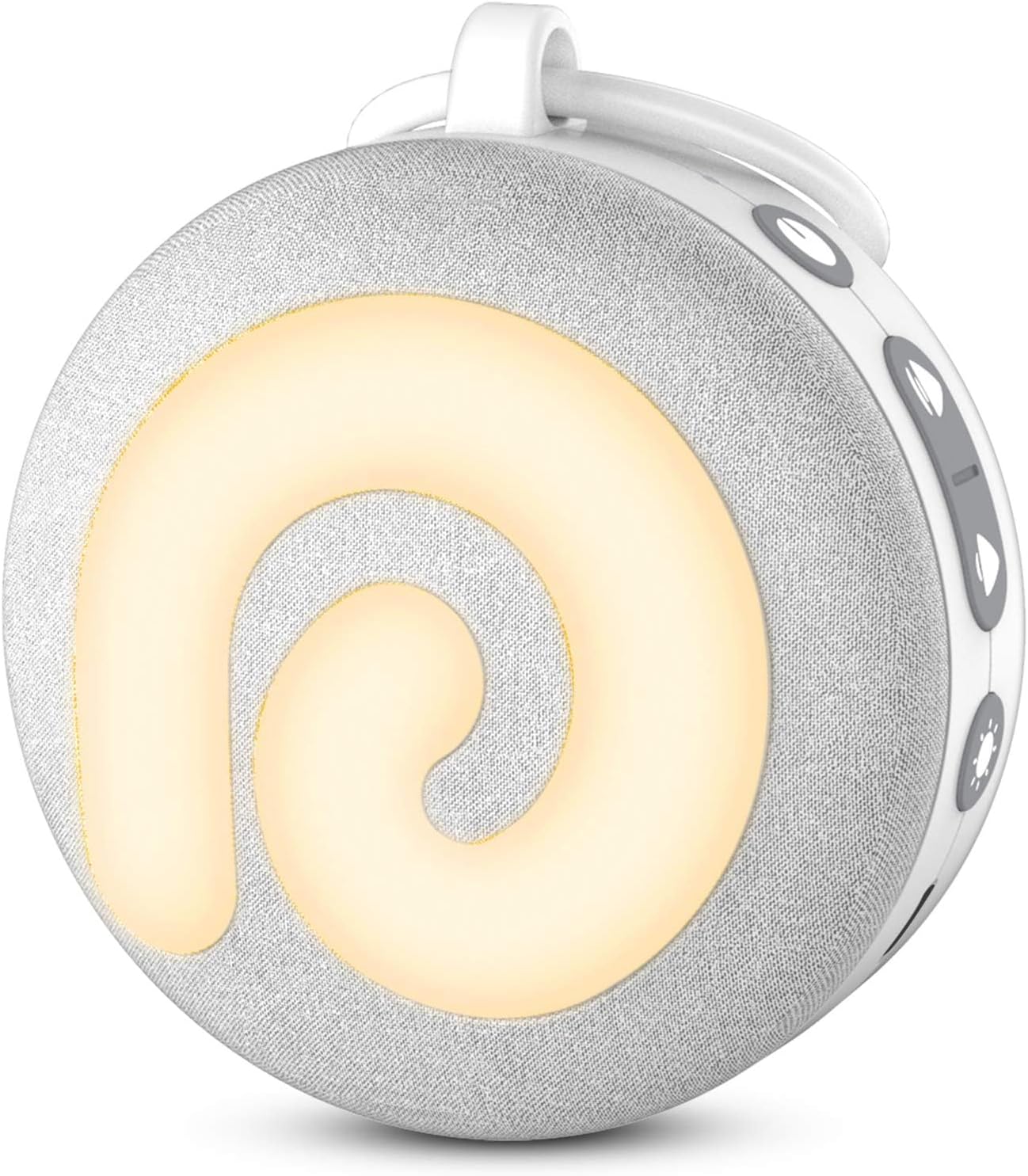
- You don’t need a dedicated machine. A fan, a phone app, or a free online white-noise loop can do the job - test it before spending money.
- Keep the volume modest. A comfortable, background level, not loud. Excess volume won’t help and could even be counterproductive.
- Use it consistently - if you’re going to rely on it, the masking effect works best when the sound is steady every night.
- Check volume for children and infants - keep sound levels low and position the device away from the cot if used for a baby.
The honest bottom line
- White noise can help mask disruptive sounds and some people sleep better with it - there is supporting evidence, especially in adults and older adults.
- But the science is mixed, not settled - one major review called the evidence “very weak,” and it doesn’t treat insomnia on its own.
- Try it free first (fan/app), at modest volume, and judge for yourself. If you have ongoing insomnia, the evidence-backed approach is sleep hygiene + cognitive behavioural therapy (CBT) via your GP - not just buying a machine.
Sources
- Riedy SM et al., Noise as a sleep aid: A systematic review (2020): https://pubmed.ncbi.nlm.nih.gov/33007706/
- Impact of white noise on sleep quality across age groups and in critically ill / non-critically ill patients: a systematic review and meta-analysis (2025): https://pubmed.ncbi.nlm.nih.gov/41151421/
- Harvard Health - Can white noise really help you sleep better? (2025): https://www.health.harvard.edu/healthy-aging-and-longevity/can-white-noise-really-help-you-sleep-better
This article is for general information and is not a substitute for professional medical advice.