sleep hygiene
Sleeping Well in Summer: Heat, Longer Days and Keeping Your Rest on Track
Why warm, bright summer nights make sleep harder, and practical UK tips to keep your bedroom cool, block evening light and wind down gently.
On this page
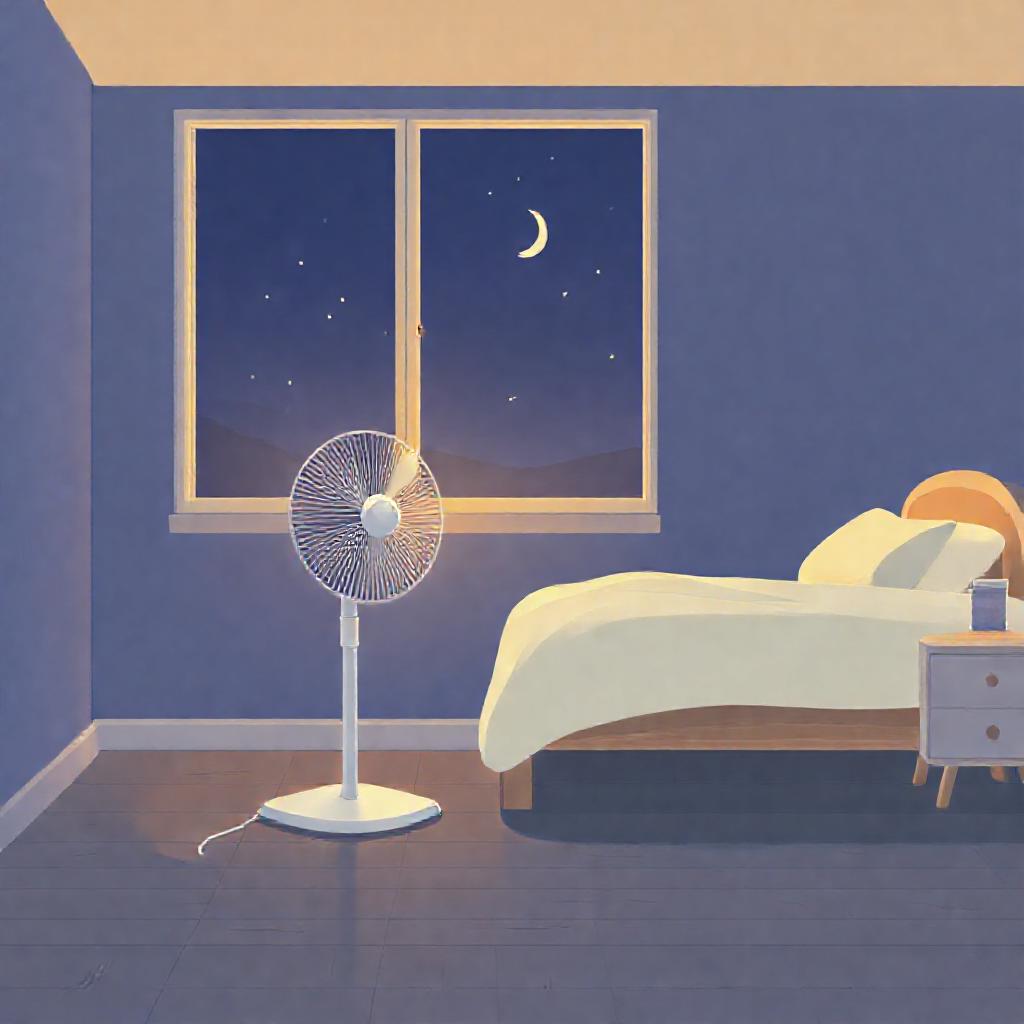
Summer in the UK brings lighter evenings and, on the good days, genuinely warm nights. It’s lovely for a garden barbecue - but it can play havoc with your sleep. Beds get stuffy, bedrooms stay bright until late, and suddenly the sleep you relied on in winter feels much harder to come by.
The good news is that you’re not imagining it, and there’s plenty you can do about it. Here’s a practical, honest guide to sleeping well when the nights are warm and long.
Why warm, bright nights make sleep harder
Your body is primed to sleep when it gets dark and cools down. As night falls, your brain produces melatonin, the hormone that makes you feel sleepy, and your core body temperature naturally begins to drop in the early evening - a process tied to your body clock.
When the room stays warm and light, both of those signals can get muddled. Sleep guidance points to a warm room as one of the common reasons people have trouble sleeping, and if your bedroom is too hot it can raise your body temperature and disturb your sleep - meaning you’re more likely to wake in the night and get less deep and REM sleep, which leaves you feeling tired the next morning.
Add to that the long summer evenings: more natural daylight hangs around later, which can suppress the melatonin your body would normally start producing, and make it harder to fall asleep at your usual time.
Keeping the bedroom cool
A cooler room genuinely supports falling and staying asleep. Sleep professionals often suggest aiming for around 18°C (about 65°F) - with a ballpark range of around 65-68°F (roughly 18-20°C) considered reasonable for most people - though comfort varies person to person.
For bedrooms without air conditioning, which is most of the UK, there are two down-to-earth strategies that work:
- Keep the heat out during the day. Close the curtains and blinds while the sun is on your windows. Stopping sunlight and hot air from coming in is far easier than cooling the room down afterwards.
- Create a through-draught at night. Airflow is your friend. Open two or more windows - or a window and a door - so air can flow in one side and out the other. As a rough rule, make the opening the air comes in through smaller than the one it leaves by. A fan of any kind can boost the effect by moving the air, especially on still nights.
Your bedding and clothing matter too. Sheets made from breathable natural fibres like cotton or linen help moisture evaporate and keep you cooler than synthetic fabrics, and sleeping in light, breathable clothing lets air circulate around your skin. A clever trick if you find yourself too warm in bed: keep a glass of cool water or an ice pack nearby for quick relief.
One pleasant surprise - a warm bath before bed can actually help you cool down. Your body temperature rises in the bath, then drops as you adapt to the cooler room afterwards, which supports drifting off. Just try not to exercise late in the evening, as that raises your temperature and works against sleep.

Blocking the evening light
Light is one of the strongest signals for your body clock, and bright evenings work against you. When it’s dark, your body produces melatonin; exposure to light suppresses it, which can delay sleepiness.
Practical ways to keep the bedroom dark:
- Blackout curtains or blinds - if light comes in around your existing curtains, these block it properly so your bedroom is genuinely dark.
- An eye mask - useful when you can’t fully block outside light, though it only helps if you keep it on through the night.
- Switch off and dim the lights before bed - bright light late in the evening suppresses melatonin more than dim lighting does.
- Put devices away - screens aside, the glow of phones and laptops counts as light exposure too. Sleep guidance suggests putting them away at least half an hour before bed.
Staying hydrated - without overdoing it before bed
Staying hydrated helps your body regulate its temperature, including sweating to keep you cool on warm nights. And because you may sweat more in summer heat, it’s easy to become a little dehydrated overnight, so drinking plenty of water through the day is sensible.
The trick is timing. If you drink a lot right before getting into bed, your body may produce extra urine overnight and send you to the bathroom - which interrupts sleep and makes you feel broken in the morning. So drink little and often through the day, keep a glass of water by the bed for a sip overnight if you need to, and don’t guzzle a big glass just before lights out.
It’s also worth remembering that caffeine behaves like a mildly dehydrating stimulant. NHS guidance is to avoid tea and coffee - and alcohol - for at least six hours before bed if you’re struggling to sleep.
A gentle wind-down
A warm night is no reason to scrap your routine. The same gentle wind-down that helps in winter holds in summer, and it matters more when heat and light are making sleep harder:
- Relax for at least an hour before bed - take a bath or read a book rather than scrolling your phone.
- Keep your wake time consistent - getting up and out of bed at the same time each day helps anchor your body clock.
- Make sure your bed is comfortable - mattress, pillows and covers.
- Avoid large meals late at night and keep the bedroom dark and quiet.
The bottom line
Sleeping well in a British summer is mostly about doing a few small things well: keeping the heat out during the day and letting a breeze in at night, blocking the evening light, staying hydrated without drinking a flood before bed, and easing into sleep with a calm routine. A warm, bright evening will still be warm and bright - but a slightly cooler, darker room goes a long way towards six or seven hours of proper rest.
Fact-checked against: NHS - Insomnia (nhs.uk/conditions/insomnia); Sleep Foundation - “Tips for Staying Cool on Hot Nights”, “How to Cool a Room When It’s Too Hot To Sleep”, “How To Make Your Room Dark for a Good Night’s Sleep”, “How Drinking Water Before Bed Impacts Sleep”, and “Best Temperature for Sleep”.