screens
Do Screens and Blue Light Really Ruin Your Sleep? What the Evidence Says
Do phones, tablets and blue light before bed affect sleep? What the science shows about screens, light and melatonin, and simple ways to wind down.
On this page
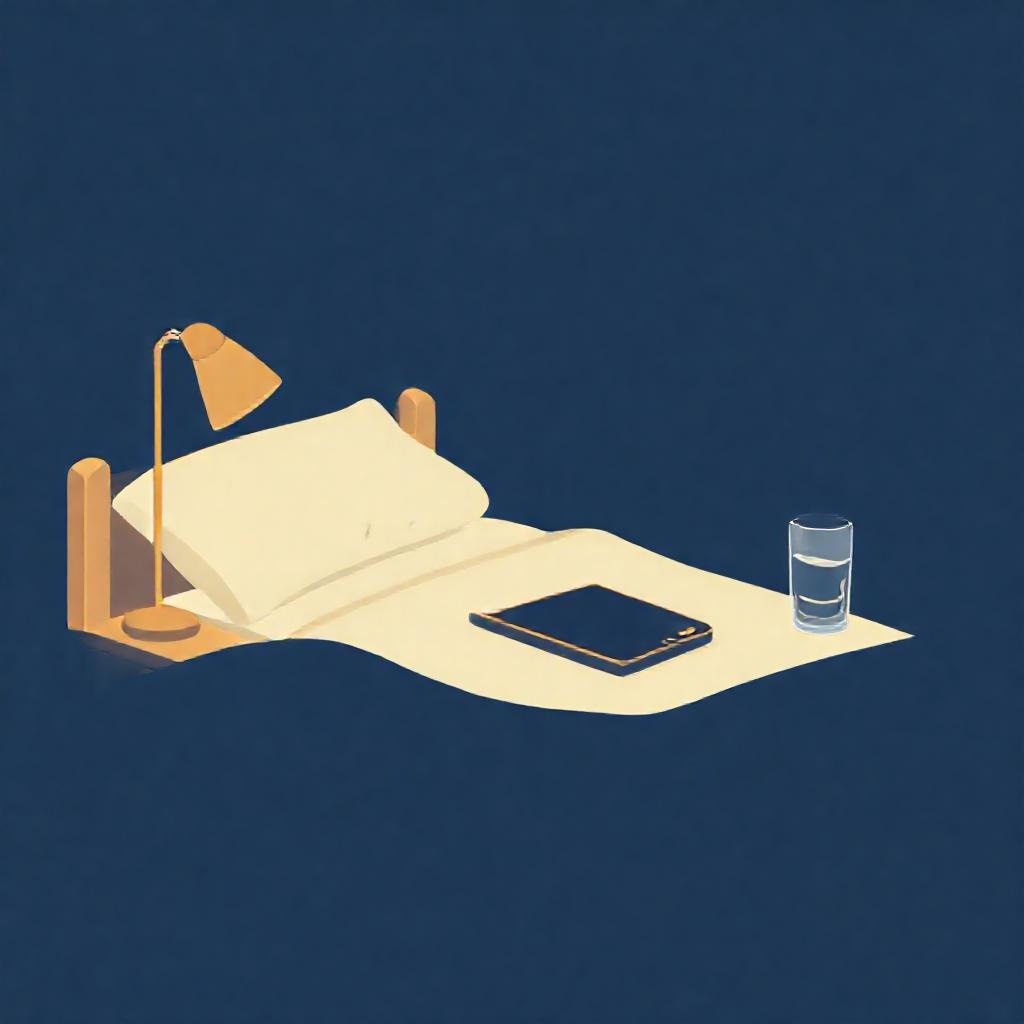
“Put your phone away before bed” is common sleep advice - but how much is it the blue light, and how much is just being engaged/stimulated? The evidence is more nuanced than the headlines.
Here’s what the science actually shows. General information, not medical advice.
Light, melatonin and your body clock
Light is the strongest cue for your body clock (circadian rhythm). Bright light in the evening can delay your body’s melatonin - the hormone that signals sleep - making it harder to fall asleep. Screen light, especially the “blue-ish” light our devices emit, is part of this.
But the size of the effect depends on brightness and timing, not just the colour. A dim phone in a dark room has a smaller effect than bright overhead light.
The bigger issue: what screens keep you doing
Research increasingly suggests the mental stimulation and engagement of what you’re doing on screens matters at least as much as the light itself:
- Scrolling, messaging, games and news keep your brain switched on.
- Email, work and worries raise arousal and delay sleep.
- So it’s not just the glow - it’s what the glow is getting you to do.
What the evidence recommends (practical)
- Give yourself a screen-free buffer - ideally 30-60 minutes of winding down without your phone before bed.
- Dim screens and use dark mode / night mode if you must use them in the evening.
- Keep the bedroom dark - screens and bright lights together delay sleep.
- Keep the phone out of the bed if you can - it removes the temptation to “just check one thing.”
- Don’t lie in bed scrolling when you can’t sleep - it trains the mind to associate bed with wakefulness.
Sources: sleep-science consensus on evening light, melatonin and the bedroom environment (see also our Sleep Hygiene guide).
The one-line summary
Screens before bed can hurt sleep - partly from evening light delaying melatonin, but arguably more from mental stimulation and engagement. The most practical fix isn’t obsessing over blue-light filters; it’s a 30-60 minute screen-free wind-down and keeping the bedroom dark and phone-free.
Sources
- US National Institutes of Health, NHLBI - Healthy Sleep Habits: https://www.nhlbi.nih.gov/health/sleep-deprivation/healthy-sleep-habits
- NHS - Insomnia (sleep hygiene): https://www.nhs.uk/conditions/insomnia/
- Sleep-science literature on evening light exposure and melatonin (see PubMed, category “evening light melatonin”).
This article is for general information and is not medical advice.