mouth taping
Does Mouth Taping for Sleep Help Snoring? What the Evidence Says
Mouth taping for snoring and sleep: what it is, whether it works, the risks, and what sleep medicine says before you try it.
On this page

Mouth taping - covering your lips with a small piece of tape overnight to force nasal breathing - has become a popular social-media sleep hack. Some people swear it improves sleep and reduces snoring. But what does the evidence actually say, and is it safe?
This is general information, not medical advice.
What mouth taping claims to do
The idea is simple: most people breathe through their nose at night, but some fall into mouth-breathing, which can dry the mouth and contribute to snoring. By taping the lips shut, proponents argue you’re encouraged to breathe nasally, which may reduce snoring and mouth dryness.
What the evidence says
- Mouth-breathing at night is linked to snoring and sleep-disordered breathing in some people, so switching to nasal breathing can help.
- However, there is very limited high-quality evidence specifically for mouth taping as a snoring treatment. It is not, at present, a mainstream, guideline-recommended therapy.
- Some small studies look at related ideas (e.g. nasal breathing training or oral patches), but independent, large trials on mouth taping are lacking.
Sources: sleep-medicine literature on nasal vs oral breathing and snoring.
The important safety caveats
Mouth taping is not without risk, and sleep specialists advise caution:
- It can be dangerous if you can’t breathe through your nose - nasal congestion, allergies, a deviated septum, or conditions like sleep apnoea mean obstructing the mouth could make breathing harder overnight.
- Never use it with obstructive sleep apnoea or CPAP unless a clinician says so - blocking the mouth with OSA can worsen breathing pauses.
- If you wake gasping, dizzy, or anxious, stop immediately.
- People with asthma, reflux, or respiratory conditions should avoid it.
Source: sleep-physician guidance and clinical caution around airway manipulation at night.
What to try instead (safer, evidence-based)
If you want to encourage nasal breathing and reduce snoring, safer options include:
- Sleeping on your side (see our sleep-position guide)
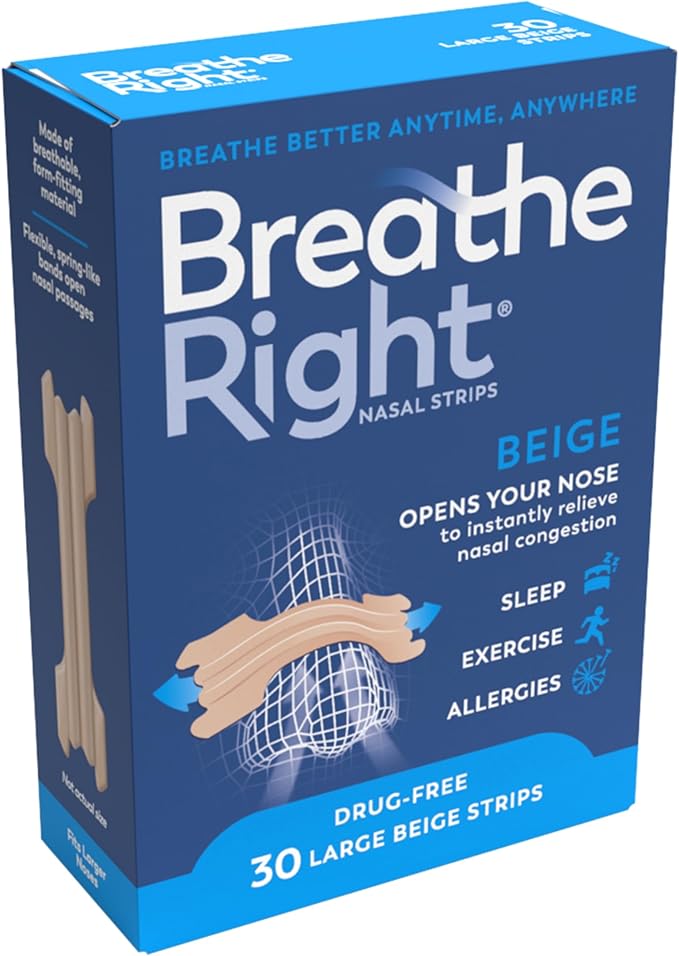
- Fixing nasal congestion to breathe more easily through your nose
- Cutting alcohol before bed (it relaxes the airway and worsens snoring)
- A mouthguard/positional aid where appropriate (see our mouthguard guide)
- Seeing a GP if snoring is loud or you’re tired (possible sleep apnoea)
The one-line summary
Mouth taping is a trendy, plausible-sounding hack with weak evidence and real safety risks - especially if you have nasal congestion, breathing conditions, or sleep apnoea. It’s not a mainstream-recommended treatment. Try the evidence-based basics (side sleeping, congestion, alcohol) first, and see a GP for any concerns rather than self-treating with tape.
Sources
- Sleep-medicine literature on nasal vs oral breathing and snoring (see PubMed, category “mouth breathing snoring”).
- NHS - Snoring (causes and self-help): https://www.nhs.uk/conditions/snoring/
- NHS - Obstructive sleep apnoea (treatment and safety): https://www.nhs.uk/conditions/sleep-apnoea/
This article is for general information and is not medical advice. Do not use mouth taping if you have breathing, nasal or sleep-apnoea conditions without speaking to a clinician first.