holidays
Sleep at the Holidays: Protecting Your Rest Through the Festive Season
Why the November and December holidays can disrupt your sleep, and the gentle, evidence-based NHS and Sleep Foundation habits that help you protect your rest through the festive season.
On this page
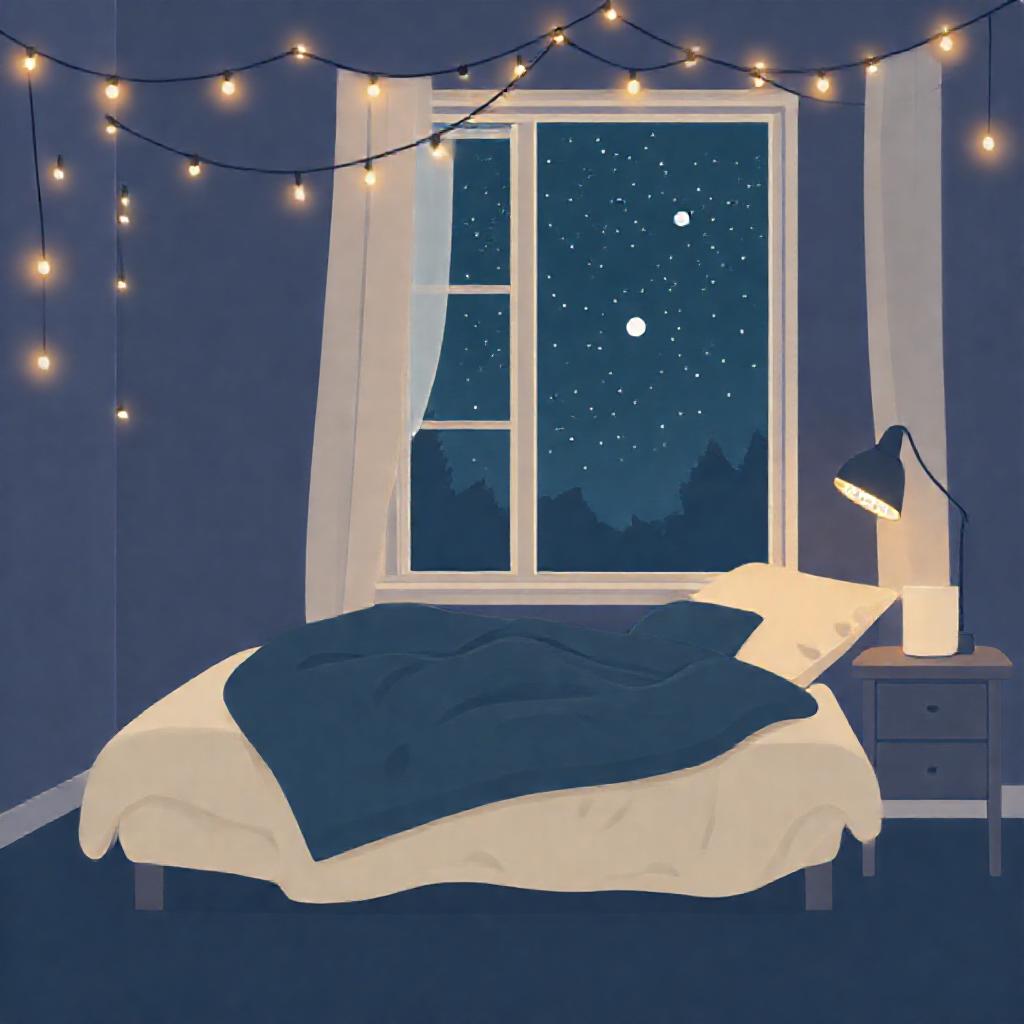
The run-up to Christmas and New Year is lovely - but it can quietly wreck your sleep. Between late work dos, family visits, travel, richer food and drink, and endless hours of screens, it’s completely normal to end December feeling more tired than you expected.
This guide is a gentle, practical look at why the festive season tends to disrupt our rest, and what the NHS and the Sleep Foundation suggest for keeping some of your normal sleep habits intact. It’s general information, not medical advice - and there’s no magic cure here. The goal is simply to protect as much good sleep as you can, without turning the holidays into another thing to feel guilty about.
Why the holidays disrupt sleep
There isn’t one single “holiday sleep problem” - it’s usually a handful of small things adding up. The NHS lists stress, anxiety or depression among the most common causes of insomnia, and the festive season is often full of low-level stress: budgets, awkward family dynamics, crammed calendars and the pressure to enjoy yourself.
Beyond stress, your routine change does a lot of the damage. The NHS leads its sleep-habits advice with waking up and getting out of bed at the same time every day. When work stops and every day looks different, that anchor disappears. The Sleep Foundation similarly recommends keeping a consistent wake-up time and being ready for bed around the same hour each night - something that’s much harder to do between parties and lie-ins.
Late nights follow naturally, and they pull your natural rhythm later and later for weeks. Add in travel: the NHS lists jet lag as a cause of insomnia, and the Sleep Foundation notes that when you do need to shift your schedule, it’s best to make small, gradual adjustments of up to an hour or two rather than changing everything at once.
Then there are the festive staples. The NHS warns against alcohol, caffeine and tobacco in the hours before bed, and the Sleep Foundation adds that while alcohol may help you fall asleep, the effect wears off and can disrupt sleep later in the night. That’s why a few glasses of something with dinner can leave you awake at 3am. Evening screen time is another one - the NHS says watching television or using devices like smartphones right before bed can leave you more awake, and the Sleep Foundation recommends a device-free buffer before lights out.
One note on the treats: you’ll often read that sugar keeps you up at Christmas. We couldn’t find firm UK guidance specifically blaming (or clearing) sugar for disturbed sleep, so we haven’t leaned on that here. The clearest advice is about meal timing - the NHS suggests avoiding a big meal late at night, and the Sleep Foundation recommends keeping any pre-bed food or snacks on the lighter side. Rich, late festive dinners can leave you digesting when your body wants to rest.
Gentle ways to protect your rest
You don’t have to be perfect - a few rough nights over Christmas is not a failure. But a handful of small habits can stop a bad week from turning into a bad month of sleep.
Keep a regular wake-up time where you can. The NHS lists waking and getting out of bed at the same time every day among its core sleep advice, and the Sleep Foundation notes that a consistent sleep schedule helps your body clock. Even in the holidays, try to stay close to your normal wake-up hour - a steady wake time is one of the most useful habits you can protect.
After a late night, reset briefly instead of sleeping in. It’s tempting to “catch up” by lying in for hours, but the NHS explicitly advises not sleeping in after a bad night’s sleep - stick to your regular sleeping hours instead. If you end up tired in the day, the Sleep Foundation suggests keeping any nap short and limiting it to the early afternoon, so it doesn’t steal from the night ahead.
Build a short wind-down. The NHS recommends relaxing for at least an hour before bed - a bath, or reading a book. The Sleep Foundation suggests budgeting around 30 minutes for winding down with soft music, light stretching, reading or relaxation exercises, and dimming the lights to support your body’s natural sleep signals.
Watch the caffeine and alcohol in the hours before bed. The NHS is practical about this: try not to drink alcohol, tea or coffee for around six hours before bed if you can. The Sleep Foundation also advises cutting caffeine later in the day and moderating alcohol in the evening. It needn’t mean abstinence - just being aware that the festive coffee after dinner or the big nightcap may be keeping you up.
Make your bedroom work for you. The NHS notes a dark, quiet room helps; the Sleep Foundation mentions blackout-style curtains or an eye mask and ear plugs or white noise if sound is a problem. During the holidays this can be especially useful if you’re sleeping somewhere new or the house is busier than usual.
If you can’t sleep, get up instead of fighting it. The Sleep Foundation suggests that if you’ve been lying awake for around 20 minutes, get up and do something calming in low light - stretching or reading - before trying again. Focusing on relaxation rather than “falling asleep” can take the pressure off.
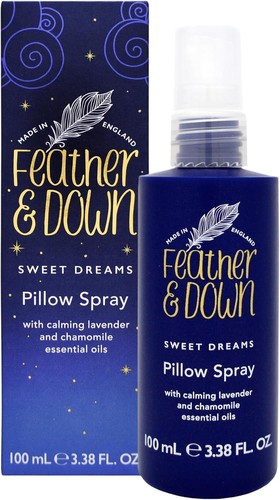
An honest note on what this won’t fix
These habits genuinely help, but they’re not a cure for everything. The Sleep Foundation is clear that improving sleep hygiene alone won’t always resolve sleeping problems - people with serious insomnia or conditions like obstructive sleep apnoea may also need other treatments. If poor sleep is persistent, is lasting three months or more, or is getting in the way of your everyday life, do speak to your GP rather than trying to manage it alone. The NHS notes that insomnia lasting under three months is described as short-term insomnia - but if you’re constantly tired during the day, that’s a sign you may not be getting enough rest (adults generally need around 7 to 9 hours a night).
The festive season is supposed to be a restful, joyful time - not another achievement to score yourself on. Aim for gentle consistency, cut yourself some slack over the odd late night, and protect the habits that matter to you. A Christmas that’s a little imperfect on sleep is still a Christmas worth having.