cpap
CPAP Comfort: How to Get Used to Your Sleep Apnoea Mask
Tips for getting comfortable with CPAP therapy: mask fit, humidification, pressure ramp, and common problems - evidence-based advice for sleep apnoea patients.
On this page
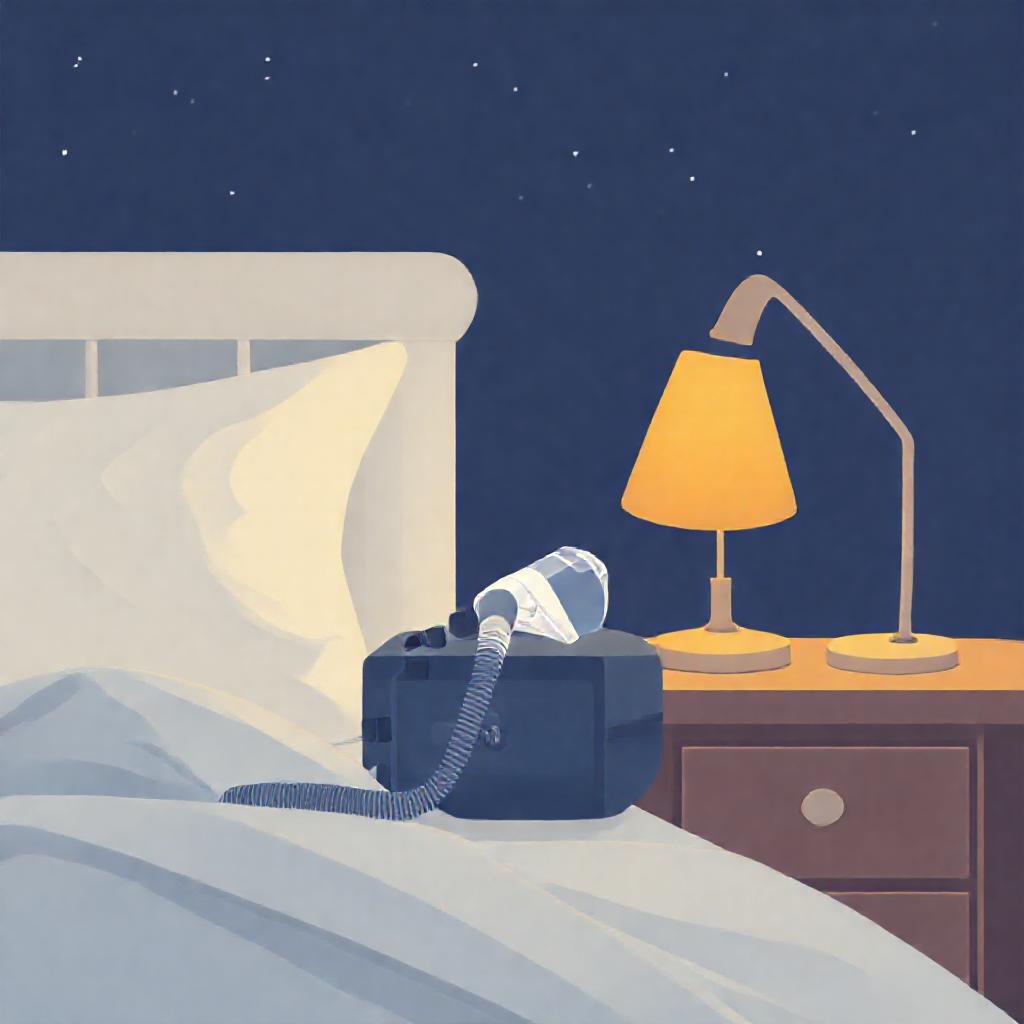
Continuous Positive Airway Pressure (CPAP) is the gold-standard treatment for moderate-to-severe obstructive sleep apnoea. But many people find the mask awkward at first - and getting comfortable is often the difference between sticking with it and giving up.
This guide covers practical, evidence-informed tips to make CPAP easier to cope with. Talk to your sleep team for advice specific to your device.
Why comfort matters
CPAP only works if you use it, and research shows consistency matters more than anything else. If you use CPAP for even part of a night regularly, you get more benefit than occasionally using it perfectly. So the goal is comfort and habit, not perfection.
1. Get the right mask fit
A mask that’s too tight or too loose is the most common comfort killer.
- The mask should seal gently without pressing hard - a slight, even pressure is right; it shouldn’t leave deep marks.
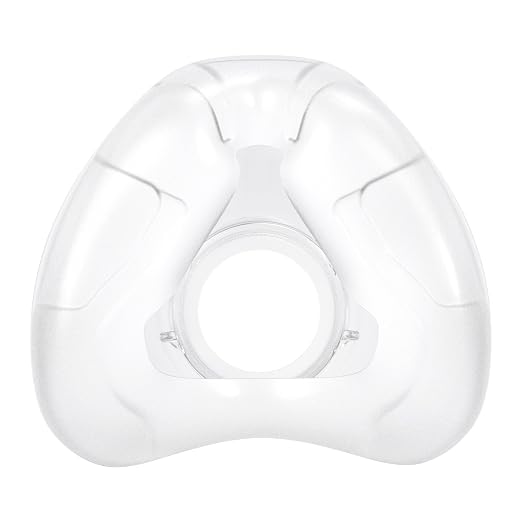
- Nasal masks (covering the nose) suit many; full-face masks (nose and mouth) if you breathe through your mouth. Your sleep team can help you choose.
- Try different types if one is uncomfortable - masks vary a lot.
2. Use humidification
Dry, cool air from CPAP can irritate your nose and throat. Most modern machines have heated humidification - keeping it on (and adjusting the heat) makes therapy far more comfortable, especially in winter or dry climates.
3. Use the ramp and pressure-relief settings
- Ramp: CPAP machines can start at a low, gentle pressure and slowly build up as you fall asleep - great for getting used to it.
- Expiratory relief / EPR: reduces pressure slightly when you breathe out, which helps with the “puffing against pressure” feeling.
Source: sleep-medicine guidance on CPAP adherence.
4. Give it time - a couple of weeks
It’s normal to find CPAP strange for the first week or two. Most people’s bodies adapt with regular use. Try wearing the mask for short daytime sessions (reading or watching TV) to get used to it before relying on it all night.
5. Sort common problems
- Throat/mouth dryness → humidification; ensure the mask is sealed.
- Sore nose or marks → check fit, try a different cushion size.
- Leaks → reseat the mask; check the cushion size and clean the seal.
- Feeling of air in the stomach → reduce ramp/pressure advice from your team.
6. Ask for help
Your NHS or private sleep service can adjust settings, change the mask, and reassure you. You don’t have to suffer in silence - comfort tweaks are normal and expected.
The one-line summary
CPAP is highly effective, but comfort is what keeps you using it. Fix the mask fit, turn on humidification, use ramp/EPR, give yourself 1-2 weeks to adapt, and ask your sleep team to fine-tune settings. Sticking with it is the single most powerful thing you can do - see more in our Sleep Apnoea guides.
Sources
- NHS - Obstructive sleep apnoea - treatment (CPAP): https://www.nhs.uk/conditions/sleep-apnoea/
- Sleep-medicine literature on CPAP adherence and comfort (see PubMed, category “CPAP adherence”).
This article is for general information. Always follow your sleep team’s instructions for your specific CPAP device.