sleep position
Best Sleep Position to Reduce Snoring: What the NHS Says
Does sleeping position affect snoring? Why side sleeping helps, what back sleeping does, and how the NHS suggests you stay on your side at night.
On this page
One of the simplest, free changes you can make to reduce snoring is to change how you sleep. The single most effective change for many people is moving from sleeping on your back to sleeping on your side. Here’s what the evidence and NHS guidance actually say - and how to make side-sleeping stick.
This is general information, not medical advice. If your snoring is loud, with breathing pauses or gasping, see a GP - it may be sleep apnoea.
Why sleeping on your back makes snoring worse
When you lie on your back, gravity pulls your tongue and soft palate backwards, which can narrow your airway and make snoring more likely. This is why back (supine) sleeping is associated with more snoring for many people.
The US National Institutes of Health (NHLBI) guidance also points out that staying up late and sleeping in disrupts your body clock, and encourages a quiet, dark room - but on the specific question of position, the clearest and most repeatable advice is that side-sleeping helps keep the airway open.
Side sleeping: the NHS-backed approach
The NHS specifically recommends, for people with sleep apnoea (and by extension for snoring), to “sleep on your side”. It even gives a practical trick to help you stay on your side through the night:
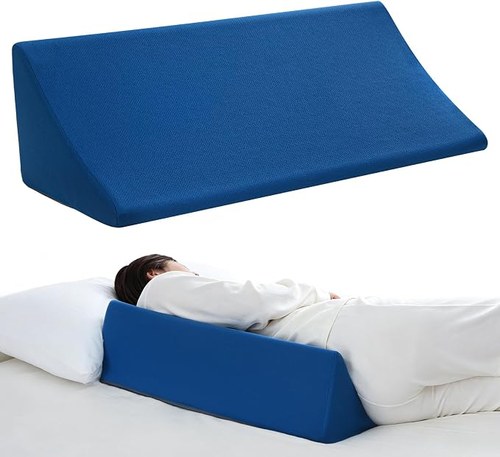
Try taping a tennis ball to the back of your sleepwear, or buy a special pillow or bed wedge to help keep you on your side.
Because most people roll onto their back without realising during the night, this “tennis ball” trick works by making back-sleeping uncomfortable, gently training you to stay on your side.
Source: NHS - Sleep apnoea (side-sleeping recommendation).
Other position-related tips
- Use a pillow or bed wedge to support side-sleeping and prop your head up slightly - an elevated position can also help if acid reflux aggravates snoring.
- Positional pillows designed for side sleepers can make side-sleeping more comfortable.
- Side sleeping isn’t just about snoring - the NHS notes it can help breathing during sleep generally.
⚠️ What side-sleeping will NOT fix
Side sleeping helps reduce snoring, but it is not a treatment for sleep apnoea. If you have true obstructive sleep apnoea - where breathing stops and starts during sleep - you can still have apnoeas on your side. The NHS lists “sleeping on your back” as one risk factor for sleep apnoea, but the condition needs proper assessment and treatment (e.g. CPAP), not just a change of position.
So: side sleeping is a great first, free step for simple snoring - but loud snoring with pauses, gasping, or severe daytime tiredness needs a GP.
How to start tonight
- Lie on your side, not your back.
- Tape a tennis ball to the back of your pyjama top (or use a pillow/wedge) so rolling onto your back wakes you slightly.
- Pair it with the other basics: no alcohol right before bed, a cool dark room, and a consistent sleep schedule.
- If snoring continues, or you have breathing pauses / gasping / daytime sleepiness, see a GP - don’t keep pushing position alone.
Sources
- NHS - Sleep apnoea (side-sleeping recommendation, page reviewed May 2026): https://www.nhs.uk/conditions/sleep-apnoea/
- US National Institutes of Health, NHLBI - Healthy Sleep Habits: https://www.nhlbi.nih.gov/health/sleep-deprivation/healthy-sleep-habits
This article is for general information and is not a substitute for professional medical advice.