temperature
Best Room Temperature for Sleep: What Science Says
The ideal bedroom temperature for sleep, why a cool room helps you fall and stay asleep, and practical tips to regulate temperature at night.
On this page
If you’ve ever slept badly in a hot or stuffy room, you’ve felt the effect of temperature on sleep. The science backs this up: body temperature and sleep are closely linked, and a cooler bedroom is generally best.
Here’s what the evidence and sleep guidance say about the ideal temperature - and how to get it right.
The ideal: roughly 15-19°C (about 60-67°F)
Sleep researchers and bodies like the US NIH/NHLBI often point to a cool room - commonly cited around 15-19°C - as best for most adults. The exact figure varies a little by source and personal preference, but the principle is consistent: slightly cool, not cold, not hot.
As your body drifts into sleep, its core temperature naturally drops. A cooler room supports this process; a too-warm room fights it, making it harder to fall asleep and more likely you’ll wake.
Source: NHLBI - sleep environment guidance.
Why “warm blood to the surface” matters
Falling asleep is partly about heat leaving your core and moving to your hands and feet, which cools you down. That’s why people often find it easier to fall asleep when their feet are warm but the room is cool - the warm extremities help release heat.
Practical tips to cool your room
- Aim for a cool, not cold, bedroom and adjust bedding accordingly.
- Use breathable bedding (natural fibres like cotton or bamboo) that wicks moisture.
- Let the room ventilate or use a fan to keep air moving.
- Avoid heavy evening meals and hot drinks right before bed, which can raise body temperature.
- A warm shower/bath before bed can paradoxically help - the subsequent drop in core temperature signals sleep.
When it’s too hot at night (summer heatwaves)
During hot weather, keep curtains closed in the day to block heat, use a fan (overnight setbacks help), and sleep with a lighter duvet. If you’re sweaty and waking a lot, that’s a strong signal the room is too warm.
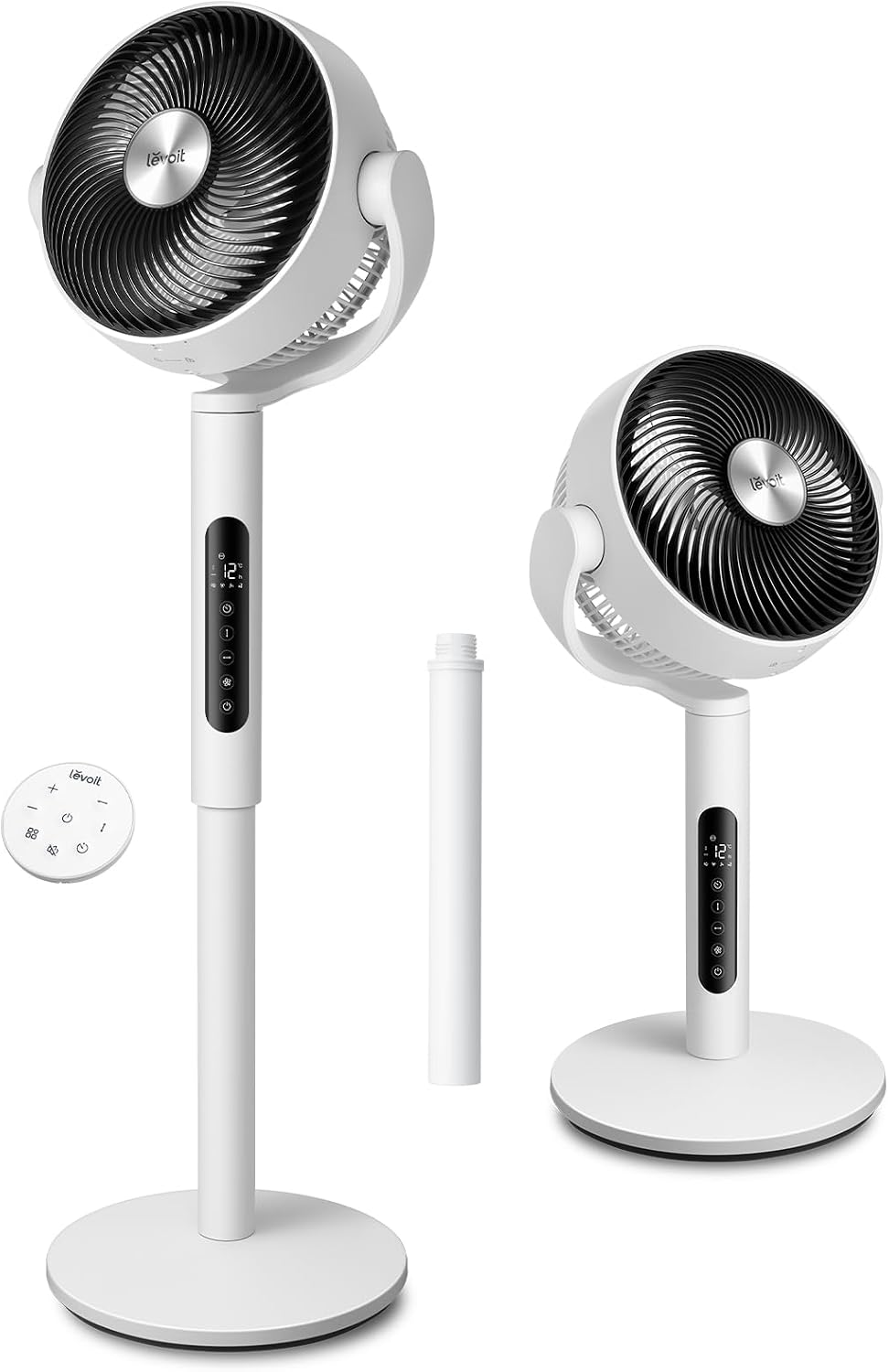
If you want a quiet fan that helps keep your bedroom cool overnight, the Levoit below is the one we suggest - it’s whisper-quiet (around 20dB) so it won’t disturb sleep, has 12 speeds and an oscillating head to move air around the room, and comes from a brand that’s very well reviewed.
The one-line summary
A cool room - broadly around 15-19°C - supports better sleep by helping your body drop its core temperature as you fall asleep. Keep the bedroom cool, use breathable bedding, and avoid things that raise your temperature right before bed. For more, see our full Sleep Hygiene guide.
Sources
- US National Institutes of Health, NHLBI - Healthy Sleep Habits: https://www.nhlbi.nih.gov/health/sleep-deprivation/healthy-sleep-habits
- Sleep-research consensus on body temperature and sleep onset (see PubMed, category “core temperature sleep onset”).
This article is for general information and is not medical advice.